The a16z Show
All about Section 230: What It Does and Doesn't Say
The a16z Show discusses tech and culture trends, news, and the future – especially as ‘software eats the world’. It features industry experts, business leaders, and other interesting thinkers and voices from around the world. This show is produced by Andreessen Horowitz (aka “a16z”), a Silicon Valley-based venture capital firm. Multiple episodes are released every week; visit a16z.com for more details and to sign up for our newsletters and other content as well!
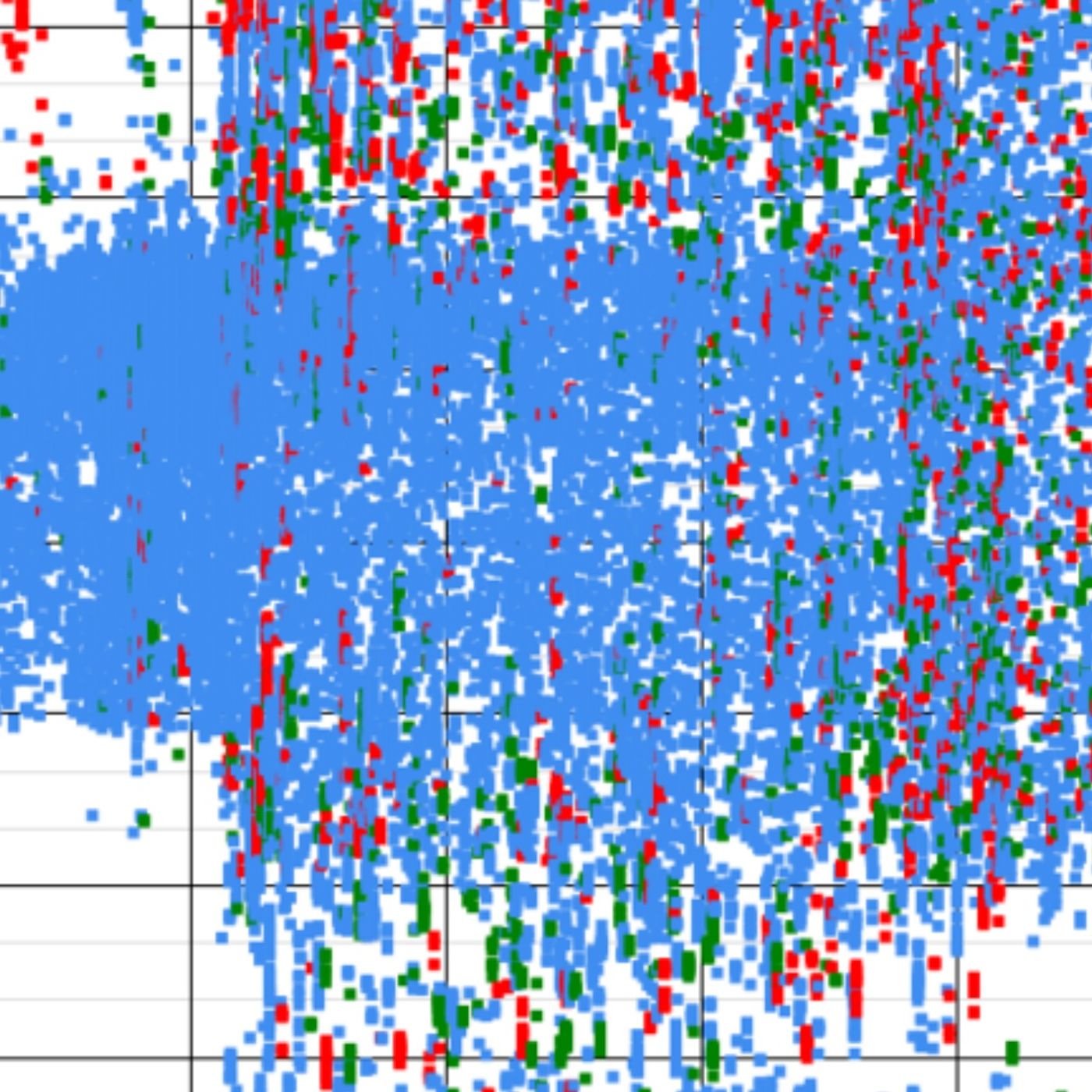
We cover the tricky but important topic of Section 230 of the Communications Decency Act. The 1996 law has been in the headlines a lot recently, in the context of Twitter, the president’s tweets, and an executive order put out by the White House on “preventing online censorship”. All of this is playing out against the broader, more profound cultural context and events around the death of George Floyd in Minnesota and beyond, and ongoing old-new debates around content moderation on social media. [Please note this episode was first published May 31.] To make sense of only the technology and policy aspects of Section 230 specifically — and where the First Amendment, content moderation, and more come in — a16z host Sonal Chokshi brings on our first-ever outside guest for 16 Minutes, Mike Masnick, founder of the digital-native policy think tank Copia Institute and editor of the longtime news & analysis site Techdirt.com (which also features an online symposium for experts discussing difficult policy topics). Masnick has written extensively about these topics — not just recently but for years — along with others in media recently attempting to explain what’s going on and dissect what the executive order purports to do (some are even tracking different versions as well).So what’s hype/ what’s real — given this show’s throughline! — around what CDA 230 precisely does and doesn’t do, the role of agencies like the FCC, and more? What are the nuances and exceptions, and how do we tease apart the most common (yet incorrect) rhetorical arguments such as “platform vs. publisher”, “like a utility/ phone company”, “public forum/square” and so on? Finally: how does and doesn’t Section 230 connect to the First Amendment when it comes to companies vs. governments; what does “good faith” really mean and what are possible paths and ways forward among the divisive debates around content moderation? All this and more in this extra-long explainer episode of 16 Minutes, shared here for longtime listeners of the a16z Podcast. image: presidential tweet activity/ Wikimedia Commons
Stay Updated:Find a16z on YouTube: YouTubeFind a16z on XFind a16z on LinkedInListen to the a16z Show on SpotifyListen to the a16z Show on Apple PodcastsFollow our host: https://twitter.com/eriktorenberg Please note that the content here is for informational purposes only; should NOT be taken as legal, business, tax, or investment advice or be used to evaluate any investment or security; and is not directed at any investors or potential investors in any a16z fund. a16z and its affiliates may maintain investments in the companies discussed. For more details please see a16z.com/disclosures. Hosted by Simplecast, an AdsWizz company. See pcm.adswizz.com for information about our collection and use of personal data for advertising.
Sign in to read the transcript
Create a free account to access the full transcript and chat.
Sign in
Get Full Access
Track every episode
Track every episode
without falling behind
Get automatic transcripts and summaries for every show you follow.
Free to start. No credit card. Unsubscribe anytime.