The a16z Show
Pandemic Relief and Fraud: Willful Deceit or Design Defect?
The a16z Show discusses tech and culture trends, news, and the future – especially as ‘software eats the world’. It features industry experts, business leaders, and other interesting thinkers and voices from around the world. This show is produced by Andreessen Horowitz (aka “a16z”), a Silicon Valley-based venture capital firm. Multiple episodes are released every week; visit a16z.com for more details and to sign up for our newsletters and other content as well!
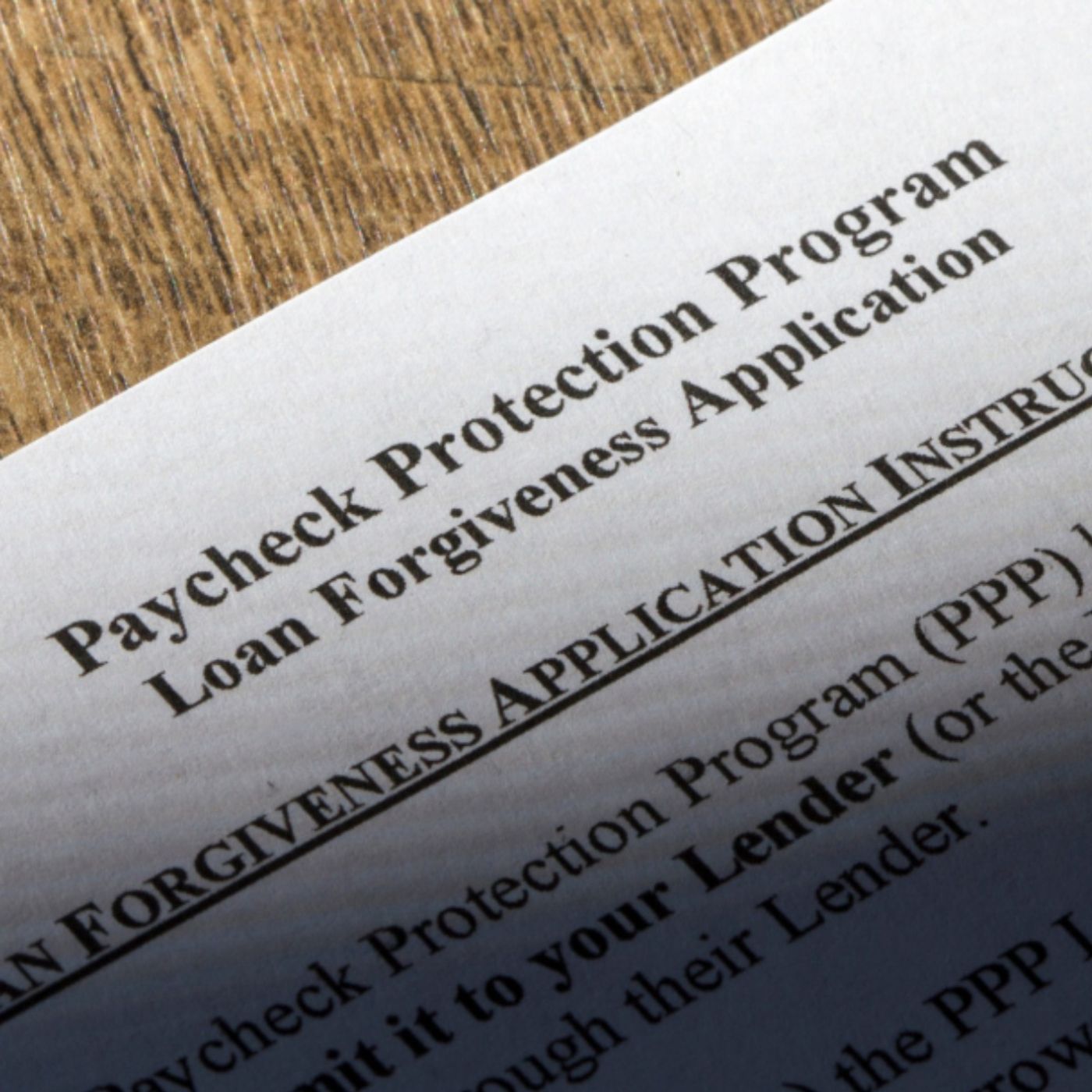
This episode examines the potential for misuse and fraud among those applying for the Paycheck Protection Program (PPP)—and how fintech and software provide overlooked tools to stop it. On March 27th, the government enacted a $2.2 trillion dollar stimulus package called the CARES Act, the largest aid measure in history. The act provides more than $500 billion for the Paycheck Protection Program, or PPP, a low-interest, forgivable loan program designed to help small businesses and self-employed individuals retain workers and stay afloat during the pandemic. Since March, the Small Business Administration has approved billions of dollars in PPP loans. But it is also estimated that U.S. losses from coronavirus-related fraud and identity theft have reached almost $100 million. According to the New York Times, the Small Business Administration’s fraud hotline has received 42,000 reports about coronavirus-related cheating and misuse; by comparison, last year it had less than 800.To date, the Department of Justice has charged more than 40 cases of PPP-related schemes, from claiming non-existent employees or non-existent businesses to identity theft, kickback schemes, fake tax documents, and multi-state fraud rings. Most of those cases have alleged fraud of more than a $1 million. But what about the countless others that may be cheating taxpayers out of smaller—but not insignificant—sums? How does the government decide who should get money and who shouldn’t among millions of applications from businesses of all industries and sizes—and what role do banks play? How does the program then distribute that money quickly and accurately—or not, in many cases? And what tools are at our disposal to catch those who cheat the system? Host Lauren Murrow is joined by Bharat Ramamurti, the original member of the COVID-19 Congressional Oversight Commission, which is tasked with evaluating the impact of coronavirus relief loans; Naftali Harris, the CEO of SentiLink, a software company that builds technology to detect synthetic fraud; and a16z fintech general partner Alex Rampell.
Stay Updated:Find a16z on YouTube: YouTubeFind a16z on XFind a16z on LinkedInListen to the a16z Show on SpotifyListen to the a16z Show on Apple PodcastsFollow our host: https://twitter.com/eriktorenberg Please note that the content here is for informational purposes only; should NOT be taken as legal, business, tax, or investment advice or be used to evaluate any investment or security; and is not directed at any investors or potential investors in any a16z fund. a16z and its affiliates may maintain investments in the companies discussed. For more details please see a16z.com/disclosures. Hosted by Simplecast, an AdsWizz company. See pcm.adswizz.com for information about our collection and use of personal data for advertising.
Sign in to read the transcript
Create a free account to access the full transcript and chat.
Sign in
Get Full Access
Track every episode
Track every episode
without falling behind
Get automatic transcripts and summaries for every show you follow.
Free to start. No credit card. Unsubscribe anytime.