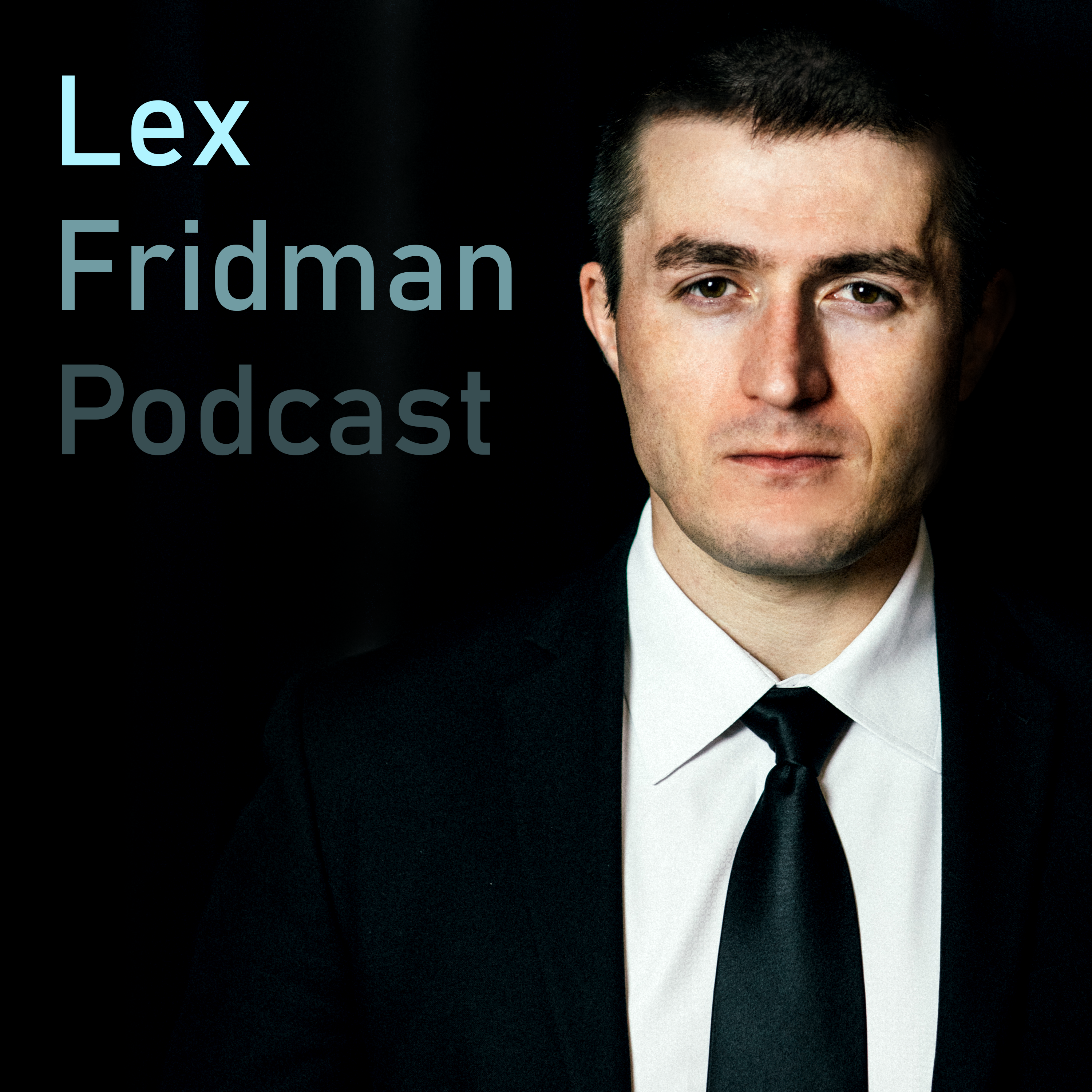
Lex Fridman Podcast
#109 – Brian Kernighan: UNIX, C, AWK, AMPL, and Go Programming
Conversations that explore technology, history, philosophy, physics, mathematics, biology, chemistry, engineering, AI, robotics, programming, music, film, art, sports, psychology, neuroscience, geopolitics, business, economics, religion, astronomy, and the human condition with people from all walks of life.
Show Notes
Tap timecodes to jump
Brian Kernighan is a professor of computer science at Princeton University. He co-authored the C Programming Language with Dennis Ritchie (creator of C) and has written a lot of books on programming, computers, and life including the Practice of Programming, the Go Programming Language, his latest UNIX: A History and a Memoir. He co-created AWK, the text processing language used by Linux folks like myself. He co-designed AMPL, an algebraic modeling language for large-scale optimization.
Support this podcast by supporting our sponsors:
– Eight Sleep: https://eightsleep.com/lex
– Raycon: http://buyraycon.com/lex
If you would like to get more information about this podcast go to https://lexfridman.com/ai or connect with @lexfridman on Twitter, LinkedIn, Facebook, Medium, or YouTube where you can watch the video versions of these conversations. If you enjoy the podcast, please rate it 5 stars on Apple Podcasts, follow on Spotify, or support it on Patreon.
Here’s the outline of the episode. On some podcast players you should be able to click the timestamp to jump to that time.
OUTLINE:
– Introduction
– UNIX early days
– Unix philosophy
– Is programming art or science?
– AWK
– Programming setup
– History of programming languages
– C programming language
– Go language
– Learning new programming languages
– Javascript
– Variety of programming languages
– AMPL
– Graph theory
– AI in 1964
– Future of AI
– Moore’s law
– Computers in our world
– Life
This episode is not processed yet. Sign in to queue the transcript and make it useful for search and Q&A.
Sign in to queue transcript (1 credit)
Free to start
Skim the episode first,
Skim the episode first,
then decide if it is worth listening.
Sign up with Google in one click. 10 transcript credits included. No card needed.
Google sign-in · No credit card · 10 free transcript credits